


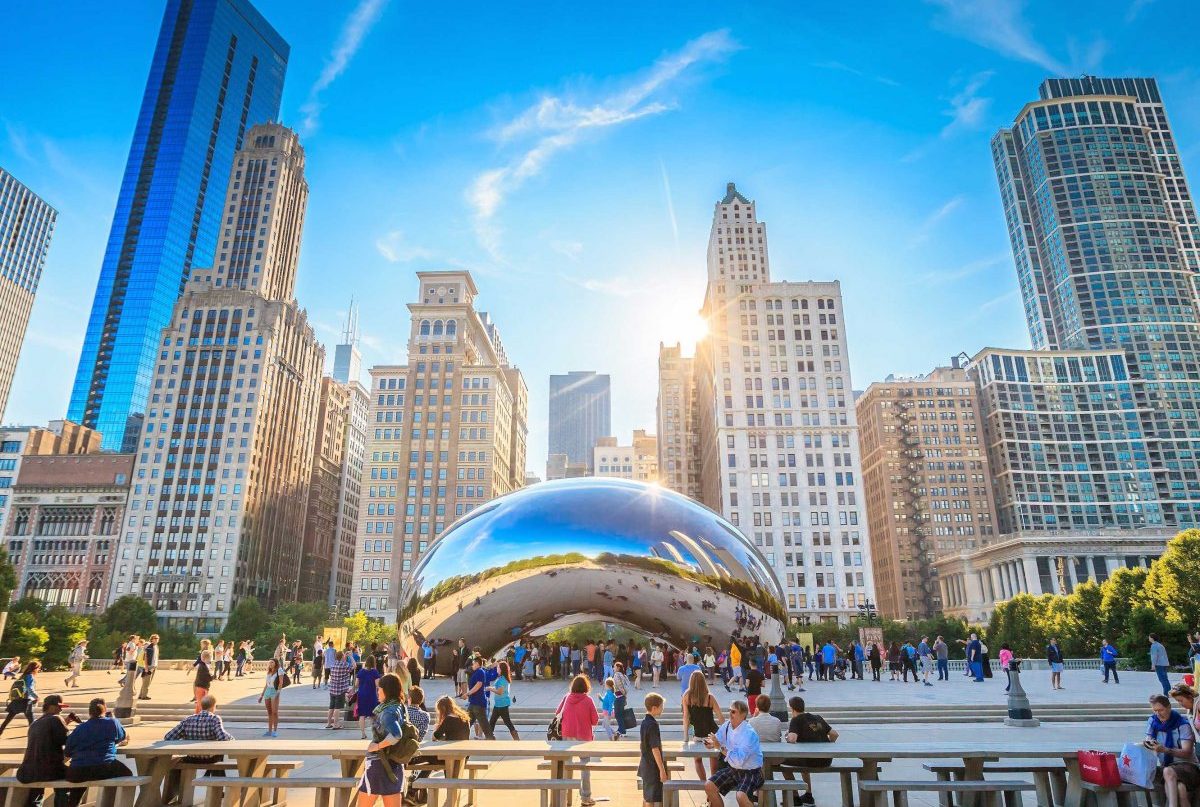
Society is the invisible framework that shapes how people live together. It influences behavior, values, institutions, and even personal identity. While society often feels stable, it is constantly evolving—responding to cultural shifts, economic pressures, technology, and collective beliefs. Understanding society helps explain not just how communities function, but why individuals think and act the way they do.
Understanding Society at Its Core
At its simplest, society is a group of people connected through shared norms, values, customs, and systems of organization. These shared elements create order and predictability, allowing individuals to cooperate and coexist.
Key components that hold society together include:
-
Social norms that guide acceptable behavior
-
Cultural values that define what is important or desirable
-
Institutions such as family, education, religion, and government
-
Social roles that shape expectations and responsibilities
Together, these elements form a social structure that influences everyday life, often without conscious awareness.
The Role of Culture in Shaping Society
Culture is the heartbeat of society. It includes language, traditions, art, beliefs, and shared symbols that give meaning to human interaction. Culture is learned, passed down through generations, and constantly reshaped.
How Culture Influences Daily Life
-
It defines communication styles, including language and gestures
-
It shapes ideas of right and wrong
-
It influences food, clothing, and celebrations
-
It affects attitudes toward authority, gender roles, and family
Because culture evolves, societies are never static. Migration, globalization, and digital communication continuously introduce new cultural influences.
Social Institutions and Their Impact
Social institutions are organized systems that meet fundamental human needs. They provide stability and continuity, helping societies function smoothly.
Major Social Institutions
-
Family – Socialization, emotional support, and care
-
Education – Knowledge transfer, skill development, and social mobility
-
Economy – Production, distribution, and consumption of resources
-
Government – Law, order, and collective decision-making
-
Religion – Moral guidance, meaning, and community bonding
Each institution adapts over time, reflecting broader social changes such as urbanization, technological advancement, or shifts in values.
Social Change and Modern Challenges
Societies change when old patterns no longer meet new realities. Technological innovation, political movements, environmental concerns, and economic inequality all drive transformation.
Forces Behind Social Change
-
Technology reshaping communication, work, and relationships
-
Demographic shifts such as aging populations or migration
-
Social movements advocating for equality and justice
-
Economic change affecting class structures and opportunities
While change can bring progress, it also creates tension. Balancing tradition with innovation remains one of society’s greatest challenges.
The Individual and Society
Individuals shape society, just as society shapes individuals. Personal choices, beliefs, and actions contribute to broader social patterns. At the same time, social expectations influence identity, ambition, and behavior.
This relationship highlights an important truth: society is not separate from people—it is created by them. Collective responsibility plays a crucial role in fostering inclusion, empathy, and cooperation.
The Future of Society
As societies move forward, they face complex questions about sustainability, equality, and human connection. The challenge lies in using knowledge, technology, and shared values to build communities that are resilient and fair.
A healthy society prioritizes:
-
Social cohesion over division
-
Opportunity over exclusion
-
Dialogue over conflict
The future of society depends on how well individuals and institutions adapt while preserving human dignity.
Frequently Asked Questions (FAQ)
1. What is the main purpose of society?
Society exists to organize human interaction, meet shared needs, and provide structure that allows individuals to live cooperatively.
2. How does society influence individual behavior?
Through norms, values, and institutions, society shapes beliefs, expectations, and acceptable actions from an early age.
3. Can society exist without culture?
No, culture gives society meaning and identity. Without culture, shared understanding and cohesion would be impossible.
4. Why do societies change over time?
Societies change in response to internal pressures and external forces such as technology, economic shifts, and new ideas.
5. What role do individuals play in shaping society?
Individuals influence society through choices, participation, innovation, and collective action.
6. How does technology affect modern society?
Technology alters communication, work patterns, social relationships, and access to information, accelerating social change.
7. What makes a society stable and healthy?
A balance of strong institutions, shared values, adaptability, and respect for diversity contributes to long-term social stability.
