


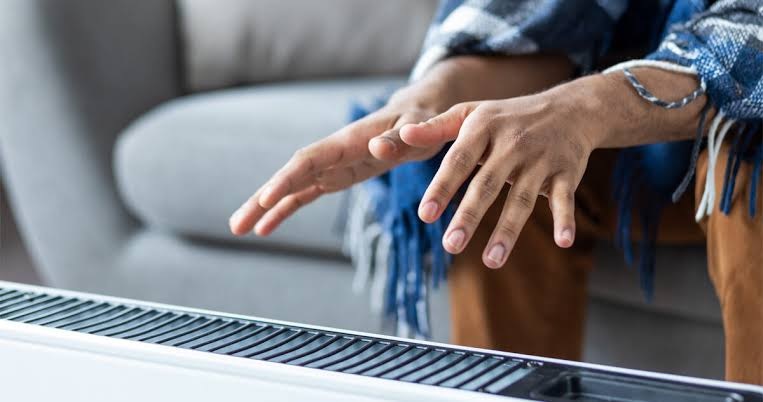
A furnace that struggles to keep your home warm can leave you wondering whether another repair is worthwhile. Replacing heating equipment is a significant investment, but continuing to repair an ageing system can also become expensive. The right decision depends on more than the immediate repair bill, especially when comfort, reliability, and energy efficiency are involved.
Homeowners often focus on visible problems while overlooking factors that influence long-term heating performance. Understanding these considerations can help you make a practical decision. If your furnace frequently breaks down or struggles to maintain comfortable temperatures, professional furnace repair and installation in Reno, NV can help determine whether repairs or replacement would be more appropriate.
How Furnace Age Influences Repair Decisions
Furnaces do not last indefinitely, although their lifespan varies depending on equipment quality, usage, installation, and maintenance. Many properly maintained furnaces operate for approximately 15–20 years. However, reaching a particular age does not automatically mean replacement is necessary. A well-maintained system may remain dependable, while a younger furnace can develop serious mechanical problems.
Before deciding, consider how consistently your furnace has performed over recent years. If repairs are becoming more frequent, ageing components may be affecting reliability. A qualified technician providing furnace repair and installation in Reno, NV can assess the equipment’s condition and explain whether further repairs are likely to provide reasonable long-term value.
When Repair Costs Begin to Outweigh the Benefits
An occasional furnace repair does not necessarily justify replacing the entire system. Problems involving thermostats, sensors, or certain electrical components may be relatively straightforward to resolve. However, expensive repairs involving major mechanical components deserve closer consideration, particularly when the furnace is approaching the end of its expected service life.
Compare the estimated repair cost with the price of a suitable replacement system. Also consider whether additional repairs are likely in the near future. Spending money on repeated repairs may offer limited value if the furnace continues to experience performance problems or requires substantial additional work.
What Rising Energy Bills Reveal About Furnace Performance
Increasing heating bills can indicate declining furnace efficiency, but they do not always mean the equipment needs replacing. Changes in energy prices, outdoor temperatures, thermostat settings, and household heating habits can influence costs. Restricted airflow, dirty components, or poorly maintained equipment may also increase energy consumption.
Start by comparing energy usage across similar heating periods rather than relying solely on monthly bills. If consumption continues increasing without an obvious explanation, arrange a professional inspection. Identifying the underlying cause can help determine whether maintenance, targeted repairs, or replacement would offer the most practical improvement.
Why Uneven Heating Deserves Closer Attention
When some rooms feel comfortable while others remain noticeably colder, homeowners may assume their furnace is failing. However, uneven heating can result from several issues, including blocked vents, restricted airflow, poorly balanced ductwork, or insufficient insulation. These problems can affect comfort even when the furnace itself operates correctly.
Before investing in replacement equipment, consider whether the existing heating distribution system needs attention. Professional testing can help identify airflow restrictions and equipment performance issues. Addressing these problems may restore comfort without replacing the furnace, although significant equipment faults could make a new installation worth considering.
The Importance of Safety and System Reliability
Furnace safety should influence every repair or replacement decision. Gas furnaces require particular attention because damaged heat exchangers, combustion problems, or faulty venting can create serious hazards. Carbon monoxide is especially concerning because it cannot be detected through smell or appearance. Working carbon monoxide alarms provide an important additional safety measure.
If your furnace produces unusual combustion odours, repeatedly shuts down, or shows signs of unsafe operation, stop using it and seek qualified assistance. Some faults can be repaired safely, while others may justify replacement. A professional assessment should establish the underlying issue before making further decisions about the equipment.
Conclusion
Deciding whether to repair or replace a furnace requires considering its age, repair history, operating efficiency, heating performance, and safety. A relatively minor problem may justify a straightforward repair, while repeated breakdowns or serious mechanical faults can make replacement a more sensible long-term investment.
Rather than making a decision based solely on the latest repair estimate, evaluate the furnace’s overall condition and expected reliability. A thorough professional inspection can clarify available options, helping you avoid unnecessary expenditure while maintaining dependable heating and a comfortable home.
