


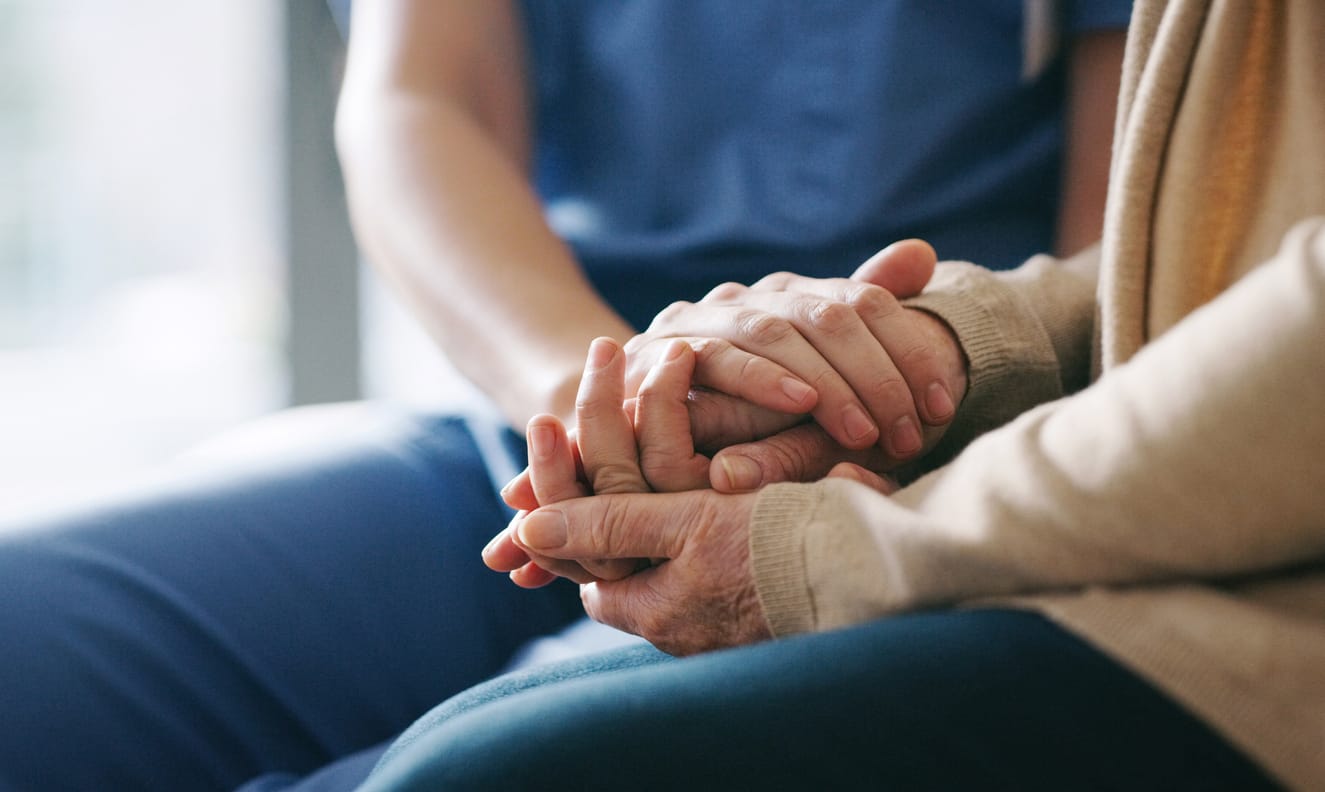
The pandemic has significantly altered the emotional climate within healthcare settings, placing sustained pressure on both caregivers and the individuals they serve. Extended shifts, increased exposure concerns, and ongoing uncertainty have contributed to widespread emotional fatigue among clinicians. Research shows that more than 70 percent of healthcare workers have experienced elevated stress levels since the onset of COVID-19, while nearly half of the public continues to feel anxious about illness and the safety of loved ones.
Why Effective Coping Tools Are Essential
In high-pressure environments, dependable strategies for managing anxiety are critical, particularly for professionals responsible for patient care. When healthcare providers are calm and emotionally steady, it creates a more reassuring experience for patients and supports clearer, more effective interactions.
Clear communication plays a major role in easing anxiety. Walking patients through procedures using straightforward language, explaining what to expect, and providing timely updates helps create a sense of structure and control. Environmental adjustments can also support emotional comfort. Softer lighting, gentle background sounds, and warmer design elements can reduce tension in clinical spaces. Even brief moments of friendly conversation can help patients feel more at ease.
Why Caregiver Well-Being Matters
Patients are often sensitive to the emotional state of their providers. When clinicians appear overwhelmed or exhausted, that stress can unintentionally transfer to patients. Healthcare roles are emotionally demanding even under normal conditions, and prolonged crises amplify that strain. For this reason, prioritizing personal well-being is a necessity, not a luxury.
Simple practices such as short mindfulness exercises, regular check-ins with colleagues, or taking intentional moments to rest can help providers maintain emotional balance. These habits support resilience, sustained focus, and the ability to deliver compassionate care over time.
Building Calm in an Uncertain Environment
While uncertainty remains a reality, strengthening coping strategies at both the individual and team level helps create a more stable and supportive care environment. When healthcare professionals actively manage their own anxiety, they protect their mental health and improve the overall experience for the patients who depend on them.
If you are a medical professional looking for some ways to care for your patients and yourself more effectively, check out the accompanying resource from pulmonary medicine experts, Specialdocs Consultants.

