


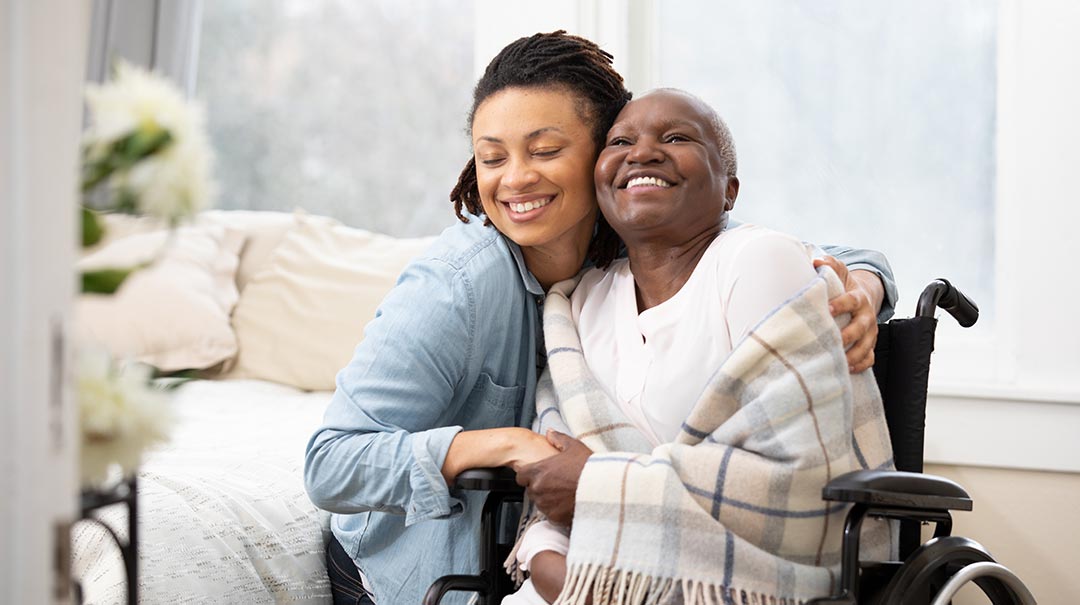
Providing in-home care for elderly family members is a true labor of love. It reflects the strong bonds built over the years, and it allows families to give back to those who once cared for them. Supporting aging loved ones at home not only ensures their comfort but also preserves their dignity and independence. Families who want to understand the depth of what compassionate elderly care involves can learn more about why this approach matters and how it shapes the daily lives of seniors.
The Emotional Value of In-Home Elderly Care
Caring for an elderly parent or grandparent in their own home goes beyond simply meeting physical needs. It provides emotional security and reassurance. Older adults often experience fear or uncertainty as they age, especially when dealing with declining health. Being in familiar surroundings with family support can help reduce that anxiety.
Loved ones who receive care at home tend to feel more connected to their personal history. The pictures on the wall, the garden they once tended, and the dining table where they shared countless meals all hold sentimental meaning. These surroundings help maintain identity and strengthen emotional well-being.
Preserving Dignity and Independence
Aging is often associated with the loss of independence. Tasks like bathing, dressing, or preparing meals may become difficult, but most seniors still want to retain as much autonomy as possible. Compassionate caregivers understand this balance. They provide the assistance needed while respecting the senior’s desire to remain involved in decisions about their daily life.
For example, a caregiver may assist with meal preparation but allow the senior to choose the menu. Or, they might provide support with dressing while encouraging the person to select their own clothes. Small gestures like these reinforce a sense of control and dignity.
Building Trust Between Caregivers and Families
Trust is a cornerstone of elderly care. Families want to know their loved one is safe, valued, and genuinely cared for. A caregiver who listens with patience, speaks respectfully, and treats the senior as a whole person rather than just a patient builds this trust naturally.
Strong relationships between families and caregivers also reduce stress. When caregivers are consistent, reliable, and empathetic, family members can focus more on their own roles as children, grandchildren, or siblings instead of feeling overwhelmed by constant worry.
The Practical Benefits of In-Home Care
Beyond emotional value, practical advantages also make in-home elderly care an important choice for many families.
-
Familiar Environment: Seniors are less likely to feel disoriented or anxious when they remain in their own home.
-
Personalized Routines: Care plans can be adjusted to fit the individual’s lifestyle rather than requiring them to adapt to rigid schedules.
-
Reduced Risk of Illness: Being at home can lower the risk of exposure to infections compared to crowded facilities.
-
Cost Flexibility: Families can often choose levels of care that align with their budget, such as part-time help, respite care, or full-time support.
These benefits combine to create a holistic solution that supports not only the elderly individual but also the entire family network.
Supporting Family Caregivers
Family members who serve as caregivers often carry a heavy emotional and physical load. It can be rewarding but also exhausting. Recognizing the importance of self-care is crucial. When caregivers ignore their own needs, they risk burnout, which can negatively impact both themselves and the senior they are helping.
Professional caregivers can step in to provide respite care, giving family members time to rest, pursue hobbies, or simply recharge. This shared responsibility ensures sustainable long-term care and prevents overwhelming stress.
The Role of Compassion in Daily Care
Compassion is not just about kindness. It means understanding the emotional challenges seniors face and responding in ways that make them feel valued. For example, a caregiver may notice when a senior seems withdrawn and engage them in conversation, music, or a walk to lift their spirits. Compassion also means being patient when a senior struggles with memory lapses or mobility limitations.
These seemingly small acts of empathy can transform the caregiving experience. They help seniors feel respected, not pitied, and loved rather than burdened.
Encouraging Social Interaction and Engagement
Isolation is one of the greatest risks for older adults. Compassionate in-home care places emphasis on meaningful engagement. Caregivers often encourage seniors to remain socially active by:
-
Reading together or discussing books and current events
-
Engaging in hobbies such as gardening, puzzles, or crafts
-
Scheduling calls or visits with friends and relatives
-
Attending local community events when possible
These activities not only improve mood but also stimulate cognitive health, keeping the mind active and alert.
Health Monitoring and Early Intervention
Another vital aspect of in-home care is health monitoring. Caregivers are often the first to notice changes in appetite, mobility, or mood. These early observations can lead to timely medical intervention. Preventing small issues from becoming major health crises is one of the hidden strengths of consistent, compassionate caregiving.
For example, noticing a senior skipping meals could point to dental pain, depression, or medication side effects. By addressing the concern early, families can prevent more serious consequences.
Tailoring Care to Cultural and Personal Preferences
Every family has its traditions, values, and preferences. Care that is tailored to these unique aspects creates comfort and familiarity. Whether it is preparing favorite family recipes, honoring religious practices, or simply maintaining daily rituals, personalized care brings a sense of continuity to life.
This customization helps seniors feel that their identity is respected and preserved, which is particularly important as they navigate the changes that come with aging.
FAQs About Compassionate Elderly Care
Q. How do families know when it is time to seek in-home care for a loved one?
A. Warning signs may include frequent falls, difficulty managing medications, memory issues, or challenges with basic daily activities. When family members find themselves overwhelmed or notice a decline in their loved one’s safety and health, it is usually time to consider professional support.
Q. Can in-home care be adjusted as a senior’s needs change?
A. Yes. Care plans are flexible and can evolve over time. A person may begin with part-time help for light housekeeping or companionship and transition to more comprehensive assistance if mobility or health concerns progress.
Q. What qualities should families look for in a caregiver?
A. Compassion, patience, reliability, and good communication are essential. Professional training in elderly care is valuable, but the caregiver’s ability to show empathy and build trust is equally important.
Q. How can families ensure their loved one feels involved in decisions?
A. Involving seniors in choices about their meals, routines, or activities gives them a sense of control. Even small decisions help maintain independence and dignity.
Q. What role do family members play once a professional caregiver is involved?
A. Families remain vital. Professional caregivers provide daily support, but emotional bonds, traditions, and family connections continue to be the most important aspect of the senior’s life.
