


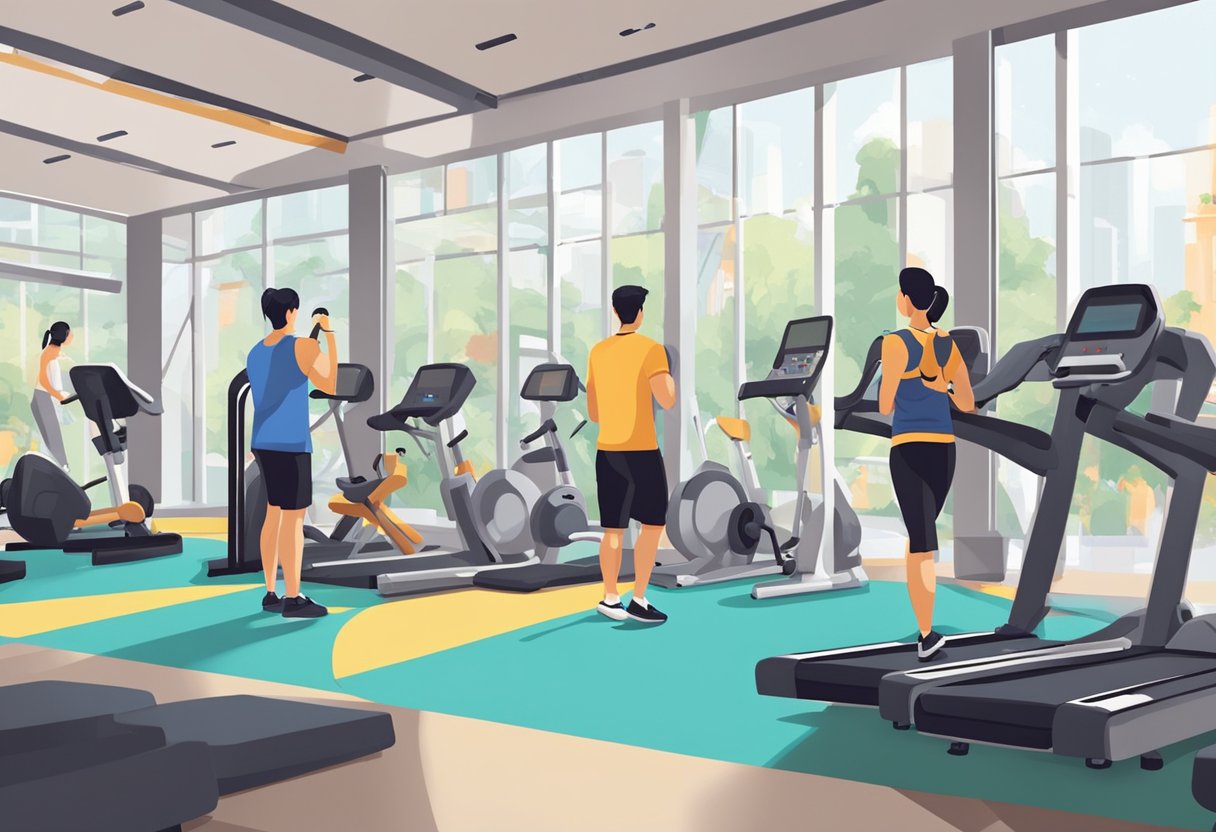
Most people step into a gym wanting to feel stronger, look better, and move with ease. Real strength shows up when you carry groceries without strain, lift a toddler from a car seat without twinges, climb stairs while talking on the phone, and keep your posture tall during long workdays. If your training produces those outcomes, you are on the right path. It is the difference between exercising for numbers and training for a life that feels capable and confident. Many locals begin their journey by searching for the best gym singapore, the real win is choosing a place and a plan that build strength you can use every day.
A good strength plan respects how the human body is designed to move. It builds patterns, not isolated parts. It rewards consistency, not random intensity spikes. It pairs effort with recovery so joints feel better, not worse. This guide shows how to evaluate a gym through a real life lens, how to design sessions that transfer to daily tasks, and how to track progress that matters outside the mirror.
What real life strength actually means
Real life strength is practical. It helps you lift, carry, push, pull, and stabilise during ordinary moments. It is not limited to heavy barbells or complex moves. It is the ability to control your body under load, in different directions, at different speeds, with attention to breathing and posture. When your plan builds those capacities, aches reduce and confidence rises.
The five pillars of usable strength
-
Hinge strength for picking things up safely from the floor.
-
Squat strength for sitting, standing, and managing stairs with control.
-
Push and pull strength for doors, luggage, and posture support.
-
Carry strength for shopping bags, backpacks, and children.
-
Rotation and anti-rotation for daily twists, from seatbelts to reaching shelves.
How to evaluate a gym for real life results
The right environment supports the right habits. You will know you are in a good place when you see tools and coaching that prioritise movement quality and gradual progression.
Equipment that signals practicality
-
Adjustable racks with safety pins, trap bars, kettlebells, slam balls, sandbags, sleds, cable stations, and a mix of dumbbells that reach both light and heavy ranges.
-
Clear floor space for carries, crawling patterns, and loaded marches.
-
Boxes, benches, and steps for controlled depth work on squats and step ups.
-
Soft tissue tools for quick preparation, bands and dowels for pattern practice.
Coaching habits that transfer to daily life
-
Cues about breath and brace before load.
-
Teaching how to hinge at the hips instead of rounding the lower back.
-
Emphasis on tempo, pauses, and balanced programming over maximal loading.
-
Scaling options for beginners and returners so progress feels smooth.
Programmes that balance the week
-
Full body templates two to four days per week.
-
Planned rotation of hinges, squats, pushes, pulls, and carries.
-
Mobility and core work that complement strength without eating the whole session.
-
A visible plan for deload weeks to protect joints and enthusiasm.
Movement patterns that make daily tasks easier
You do not need dozens of exercises to get strong for life. You need a few patterns done well, progressed patiently, and repeated often.
Hinge, the foundation for picking things up
Good hinges protect the lower back and build strong hips. Start with patterning, then progress load.
-
Hip hinge with a dowel, three contact points, glutes and upper back engaged.
-
Kettlebell deadlift, feet under hips, push the floor, stand tall, no back rounding.
-
Trap bar deadlift for joint-friendly loading and comfortable handles.
-
Romanian deadlift for hamstring strength and posture control.
Daily transfer: Lifting boxes, moving furniture, picking up a sleeping child, doing housework without strain.
Squat, the pattern of sitting and standing
Squats restore knee confidence and build leg endurance for stairs and commuting.
-
Box squat to target depth and balance.
-
Goblet squat to help torso stay tall.
-
Front squat or safety bar squat when ready for more load with clean form.
Daily transfer: Getting off low seats, handling multi-flight staircases, rising from the floor with ease.
Push and pull, the posture protectors
Balanced pushing and pulling improves shoulder health and desk posture.
-
Incline push up to learn shoulder position.
-
Dumbbell bench press or floor press to progress safely.
-
One arm cable row and chest supported row to strengthen the back without compensations.
-
Half kneeling cable press to teach core stability during pressing.
Daily transfer: Holding doors, carrying luggage, maintaining an open chest while working at a laptop.
Carries, the ultimate real life test
Carrying loads trains grip, core, and gait in one simple drill.
-
Farmer carry with two dumbbells, walk tall, short strides, eyes level.
-
Suitcase carry with one dumbbell, resist leaning to the side.
-
Front rack carry with kettlebells to challenge posture and breathing.
Daily transfer: Grocery runs, travel, moving items around the home, weekend activities.
Rotation and anti-rotation, control in the real world
Life involves turns and reaches. Train them gradually.
-
Pallof press to teach resisting rotation.
-
Cable chops and lifts to coordinate hips, torso, and shoulders.
-
Controlled med ball throws for power once foundations are in place.
Daily transfer: Reaching for seatbelts, placing items on shelves, turning quickly without tweaks.
A 12 week plan for real life strength
This plan uses three phases. Adjust loads to match current ability. Keep breathing steady. Respect form.
Weeks 1 to 4, build patterns and confidence
-
Day 1
-
Hip hinge with dowel 2 by 8.
-
Kettlebell deadlift 3 by 6 to 8.
-
Incline push up 3 by 8 to 10.
-
One arm cable row 3 by 10 each side.
-
Farmer carry 3 by 20 to 30 metres.
-
Finish with calf raises and hip flexor stretches.
-
-
Day 2
-
Box squat 3 by 6 to 8.
-
Half kneeling cable press 3 by 8 each side.
-
Chest supported row 3 by 10.
-
Suitcase carry 3 by 20 to 30 metres each side.
-
Pallof press 3 by 8 each side.
-
-
Optional Day 3
-
Easy cardio 25 minutes, mobility 10 minutes, focus on ankles, hips, and thoracic spine.
-
Weeks 5 to 8, increase load and range with control
-
Day 1
-
Romanian deadlift 4 by 6.
-
Dumbbell bench press 4 by 8.
-
One arm row 4 by 8 each side.
-
Front rack carry 4 by 20 metres.
-
Pallof press 3 by 10.
-
-
Day 2
-
Goblet squat 4 by 8.
-
Landmine press 3 by 8 each side.
-
Cable face pull 3 by 12.
-
Step ups 3 by 8 each side, knee tracking over toes.
-
Suitcase carry 3 by 30 metres each side.
-
-
Optional Day 3
-
Intervals 6 by 2 minutes at moderate pace, 2 minutes easy between, cooldown 8 minutes.
-
Weeks 9 to 12, sharpen skills and add power
-
Day 1
-
Trap bar deadlift 4 by 5.
-
Floor press 4 by 6 to 8.
-
Chest supported row 4 by 8.
-
Med ball chest pass 4 by 5, focus on crisp intent.
-
Farmer carry heavy 4 by 25 metres.
-
-
Day 2
-
Front squat or safety bar squat 4 by 5.
-
Half kneeling single arm cable press 3 by 8 each side.
-
Cable chop 3 by 8 each side.
-
Lateral step down 3 by 8 each side.
-
Front rack carry 3 by 25 metres.
-
-
Optional Day 3
-
Easy cardio 30 minutes, mobility flow 12 minutes, breath work 4 minutes.
-
Progress rules
-
Keep one to two clean reps in reserve on most sets.
-
Increase load or reps by small steps each week.
-
If form degrades, stay at the same load and improve tempo control before adding weight.
-
Insert a lighter week every four weeks, reduce total volume by one third.
Warm up and cooldown that respect busy days
Training should fit real life, not disrupt it. Use concise routines that prepare you quickly and help you leave the gym calm.
Six minute warm up
-
Nasal breathing, 60 seconds, long exhale.
-
Cat camel and 90 90 hip switches, 90 seconds.
-
Band pull aparts and ankle rocks, 90 seconds.
-
Pattern primer, bodyweight hinge, squat, and row, 90 seconds.
Seven minute cooldown
-
Easy cardio, three minutes.
-
Two mobility drills for the areas trained, two minutes.
-
Slow breathing, two minutes, in for four seconds, out for six to eight.
Technique checkpoints that protect joints
Good technique is joint insurance. These cues reduce common stress points.
Hinge and deadlift
-
Feet under hips, hips back, shins near vertical.
-
Rib cage stacked over pelvis, brace gently before lifting.
-
Push the floor, stand tall, finish with glutes, not a back lean.
-
Lower with control, keep the weight close to the legs.
Squat
-
Tripod foot, big toe, little toe, and heel heavy.
-
Knees track over middle toes, hips and knees bend together.
-
Stop at a depth you can control, stand up by driving through mid foot.
Push and pull
-
Pack shoulders down and back before pressing or rowing.
-
Elbows travel at an angle that feels smooth, not flared to the side.
-
Exhale through the sticking point, keep ribs steady.
Carries
-
Tall posture, short steps, eyes level.
-
Grip firm but not clenched to the point of shrugging.
-
Keep the load close, breathe slowly through the nose when possible.
Recovery practices that keep training consistent
Strength grows during recovery. Protect your progress by treating these basics like training sessions.
-
Sleep: Anchor wake time, dim screens at night, keep the bedroom cool and dark.
-
Nutrition: Aim for protein with each meal, colourful plants, and slow digesting carbohydrates around training.
-
Hydration: Water first, adjust for heat and sweat rate.
-
Movement snacks: Stand each hour, perform ten calf raises and ten band pull aparts, walk for five minutes after long calls.
-
Stress management: Two to five minutes of slow breathing twice a day helps your nervous system reset.
How to measure progress that matters in daily life
Chasing numbers can help, but the most meaningful markers are simple and repeatable.
-
Carry test: Farmer carry your bodyweight in total for 20 to 30 metres without posture loss.
-
Stair test: Climb two flights while holding a small load, breathe through the nose, recover within a minute.
-
Get up test: Rise from the floor smoothly without using hands, then with a five kilogram load.
-
Posture check: After a long meeting, notice if you can return to tall posture without discomfort.
-
Consistency streak: Count weeks with two or more sessions completed. Streaks predict success.
Common mistakes that block real life strength
Avoid these traps to keep progress steady and joints happy.
-
Skipping pattern practice and chasing heavy loads too soon.
-
Training only in one plane, neglecting rotation and anti-rotation.
-
Ignoring grip, feet, and breathing, which are the base of stability.
-
Treating warm ups and cooldowns as optional.
-
Jumping volumes by more than ten percent week to week.
How to adapt training during busy or stressful weeks
Life happens. Adjust without guilt so you can preserve momentum.
-
Use a 25 minute express session, hinge, push, carry, and go.
-
Swap heavy lifts for technique work and mobility when sleep is poor.
-
Walk after meals to keep energy steady and joints moving.
-
Keep one non negotiable slot each week for training, move the others as needed.
Where to apply these principles in the city
A multi zone facility with coaching, space for carries, and sensible programming makes it easier to train for life instead of only for numbers. Look for patient instruction, structured warm ups, and clear progressions. Members who value practicality often choose venues that combine accessibility, equipment range, and a supportive culture. You can explore programmes and locations at True Fitness Singapore and map a trial week around the pattern based plan above.
Frequently Asked Questions
Q. I am new to lifting. Can I still train these patterns safely
Ans. Yes. Begin with dowel hinges, box squats, incline push ups, and light rows. Use carries with very light dumbbells. Increase difficulty only when the pattern feels smooth and breathing stays calm.
Q. How heavy should my carries be for real life benefits
Ans. Start with two dumbbells that equal roughly one third of bodyweight in total. Walk 20 metres with a tall posture. Add small increments each week until you can carry half of bodyweight for the same distance without leaning.
Q. Do I need barbell squats to build usable strength
Ans. No. Goblet squats, front squats, split squats, and step ups can build strong legs and healthy knees. Choose patterns that fit your mobility and feel stable.
Q. How many days per week are ideal for practical strength
Ans. Two to four days work well for most people. Aim for at least one day focused on hinges and carries, and one day focused on squats and rows. Add a third day for pressing and rotation when time allows.
Q. Can I train for real life strength if I have a desk job with minor aches
Ans. Yes. Prioritise mobility for hips, ankles, and thoracic spine. Use hinges, rows, and carries to reset posture. Keep sessions moderate, increase volume slowly, and track how your body feels during long workdays.
Q. What is the simplest way to know if my technique is good
Ans. Film your main lift from the side for one set each session. Check spinal alignment, joint tracking, and tempo. If anything looks rushed or wobbly, reduce load and practise the pattern until it smooths out.
Q. Should I add cardio if strength is my main goal
Ans. Add one or two low to moderate cardio sessions per week, such as cycling or incline walking. Cardio improves recovery, helps you handle daily tasks without fatigue, and supports heart health.
Q. How do I avoid sore knees when squatting
Ans. Warm up ankles and hips first, keep the foot tripod heavy, track knees over the middle toes, and control the lowering phase. Reduce range with a box if pain appears. Build strength with split squats and step downs before pushing load.
Q. What if I cannot commit to 60 minute sessions
Ans. Use short blocks. Fifteen minutes of pattern practice plus a carry can produce real benefits. String together several short sessions each week rather than waiting for a long slot that never arrives.
Q. How long before daily tasks start to feel easier
Ans. Many people notice improvements within four to six weeks, especially in posture, stairs, and carrying. Deeper changes in strength and endurance build over three to six months with steady attendance.
When you train patterns with intention, respect recovery, and choose a supportive environment, strength becomes something you live with every day. The gym session ends, the benefits last, and ordinary tasks feel surprisingly light.
