


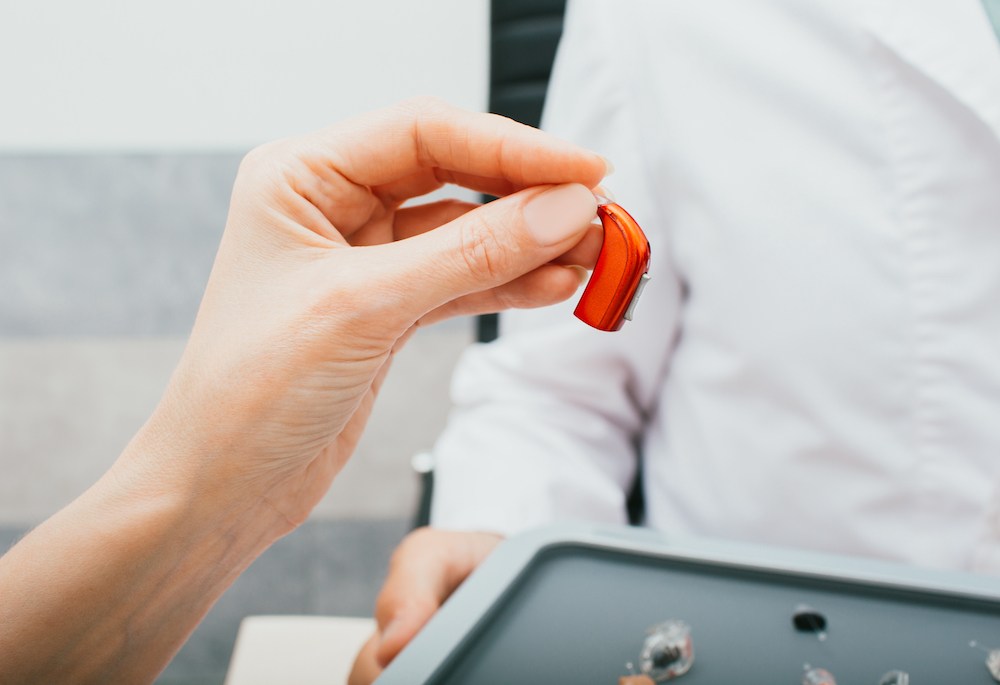
Hearing loss affects millions of people and can have a significant impact on communication, relationships, work performance, and overall quality of life. Fortunately, advances in hearing technology have provided more options than ever before for individuals seeking support. However, finding the best hearing aid is not always as simple as selecting the newest device or purchasing the most expensive model available. Many people make avoidable mistakes during the selection process, which can lead to disappointment, unnecessary expense, or devices that fail to meet their needs.
Because hearing aids represent both a financial investment and an important healthcare decision, taking the time to understand common pitfalls can help individuals make more informed choices. A thoughtful approach often leads to better outcomes, greater satisfaction, and improved long-term use of hearing technology.
One of the most common mistakes is assuming that all hearing aids perform in the same way. While modern devices share the goal of improving hearing, they can differ considerably in terms of features, performance, comfort, and suitability for different types of hearing loss. Many first-time buyers focus on appearance or price without fully understanding how various models are designed to address specific hearing challenges.
Hearing loss varies from person to person, which means that a solution that works well for one individual may not be ideal for another. Understanding personal hearing needs is an essential first step in selecting appropriate technology. Without this understanding, it becomes difficult to evaluate whether a particular device truly represents the best option.
Another mistake involves focusing exclusively on cost. Budget considerations are naturally important, and many people want to ensure they receive good value for their investment. However, choosing solely on price can sometimes result in selecting a device that lacks features necessary for daily life.
At the same time, the most expensive hearing aid is not automatically the best choice. Higher-priced models may include advanced capabilities that some users rarely utilise. The objective should be finding a balance between functionality, performance, and affordability rather than assuming that either the cheapest or most expensive option will provide the best results.
Many individuals also underestimate the importance of a professional hearing assessment. Some people attempt to self-diagnose hearing issues or rely on assumptions regarding the severity of their hearing loss. While online information can be helpful, it cannot replace a comprehensive evaluation performed by a qualified hearing professional.
A detailed assessment helps identify the type and extent of hearing loss while providing valuable information that guides hearing aid recommendations. Skipping this step can increase the likelihood of purchasing a device that does not adequately address specific hearing needs. Professional guidance often plays a critical role in helping individuals find the most suitable solution.
Another frequent mistake is prioritising appearance above functionality. Advances in hearing aid design have produced smaller and more discreet devices than ever before, which appeals to many users. While aesthetics are certainly a valid consideration, they should not overshadow performance requirements.
Some individuals choose the smallest available device because they want it to be as inconspicuous as possible. However, smaller hearing aids may have limitations regarding battery size, controls, connectivity features, or suitability for certain levels of hearing loss. Selecting a device based solely on appearance can sometimes result in compromises that affect overall satisfaction.
Failing to consider lifestyle needs is another issue that can influence long-term success. Hearing aids are used in a wide variety of environments, from quiet conversations at home to busy restaurants, workplaces, social gatherings, and outdoor activities. The situations in which a person spends most of their time should influence the features they prioritise.
Someone who frequently participates in meetings may require different capabilities than an individual who primarily needs support during family conversations. Similarly, active individuals may have different durability requirements compared to those who spend most of their time in quieter settings. Evaluating lifestyle factors helps ensure that the chosen device aligns with everyday needs.
A related mistake involves overlooking future requirements. Hearing loss can change over time, and individuals may find that their needs evolve as their circumstances change. Focusing only on current requirements without considering future flexibility may limit the usefulness of a hearing aid in the years ahead.
Some devices offer greater adaptability through software updates, adjustable programming, or compatibility with evolving technology. Considering long-term usability can help maximise the value of the investment while reducing the likelihood of needing replacement sooner than expected.
Many buyers also underestimate the importance of comfort. Even the most advanced hearing aid may provide limited benefit if it is uncomfortable to wear consistently. Because hearing aids are typically used for extended periods each day, proper fit and comfort play a major role in successful adoption.
Discomfort can discourage regular use, reducing the overall effectiveness of the device. Working closely with hearing professionals during the fitting process helps address potential issues and improve the likelihood of long-term satisfaction.
Another common mistake is expecting immediate perfection. Hearing aids can significantly improve communication and listening experiences, but they do not restore hearing exactly as it was before hearing loss occurred. Some first-time users expect dramatic and instant results, which can lead to frustration if their expectations are unrealistic.
Adjusting to hearing aids often requires time. The brain must adapt to processing sounds that may not have been heard clearly for an extended period. This adjustment period is normal and varies from person to person. Patience and ongoing support are important components of a successful experience.
Technology features can also become a source of confusion. Modern hearing aids often include wireless connectivity, smartphone integration, rechargeable batteries, noise reduction systems, and other advanced functions. While these innovations can provide meaningful benefits, some buyers become overly focused on technical specifications without considering how they will use those features in daily life.
The best hearing aid is not necessarily the one with the longest list of features. Instead, it is the device that effectively addresses the user’s hearing needs while fitting comfortably into their lifestyle. Practical value often matters more than technical complexity.
Some individuals neglect to ask questions about follow-up care and ongoing support. Hearing aid ownership typically extends beyond the initial purchase. Adjustments, maintenance, cleaning, programming updates, and periodic evaluations may all contribute to long-term success.
Understanding the level of support available after purchase can influence overall satisfaction. Reliable follow-up care helps address concerns, optimise performance, and ensure that the hearing aid continues to meet changing needs over time.
Another mistake involves rushing the decision-making process. Purchasing a hearing aid is a significant choice that deserves careful consideration. Comparing options, discussing concerns with professionals, and evaluating different recommendations can provide valuable insight before making a final decision.
Taking the time to gather information often leads to greater confidence and a stronger likelihood of selecting a device that delivers lasting benefits. While it may be tempting to make a quick decision, a thoughtful approach typically produces better outcomes.
Finding the best hearing aid requires more than selecting a popular model or focusing on a single factor. Hearing needs, lifestyle preferences, comfort, technology features, professional guidance, and long-term support all contribute to the decision. By avoiding common mistakes and approaching the process with realistic expectations, individuals can improve their chances of finding a solution that enhances communication, supports daily activities, and provides meaningful improvements in quality of life.
Ultimately, the most successful hearing aid purchase is one that aligns with the individual’s unique circumstances. Careful planning, informed decision-making, and ongoing support can help ensure that the chosen device becomes a valuable tool for years to come.
