


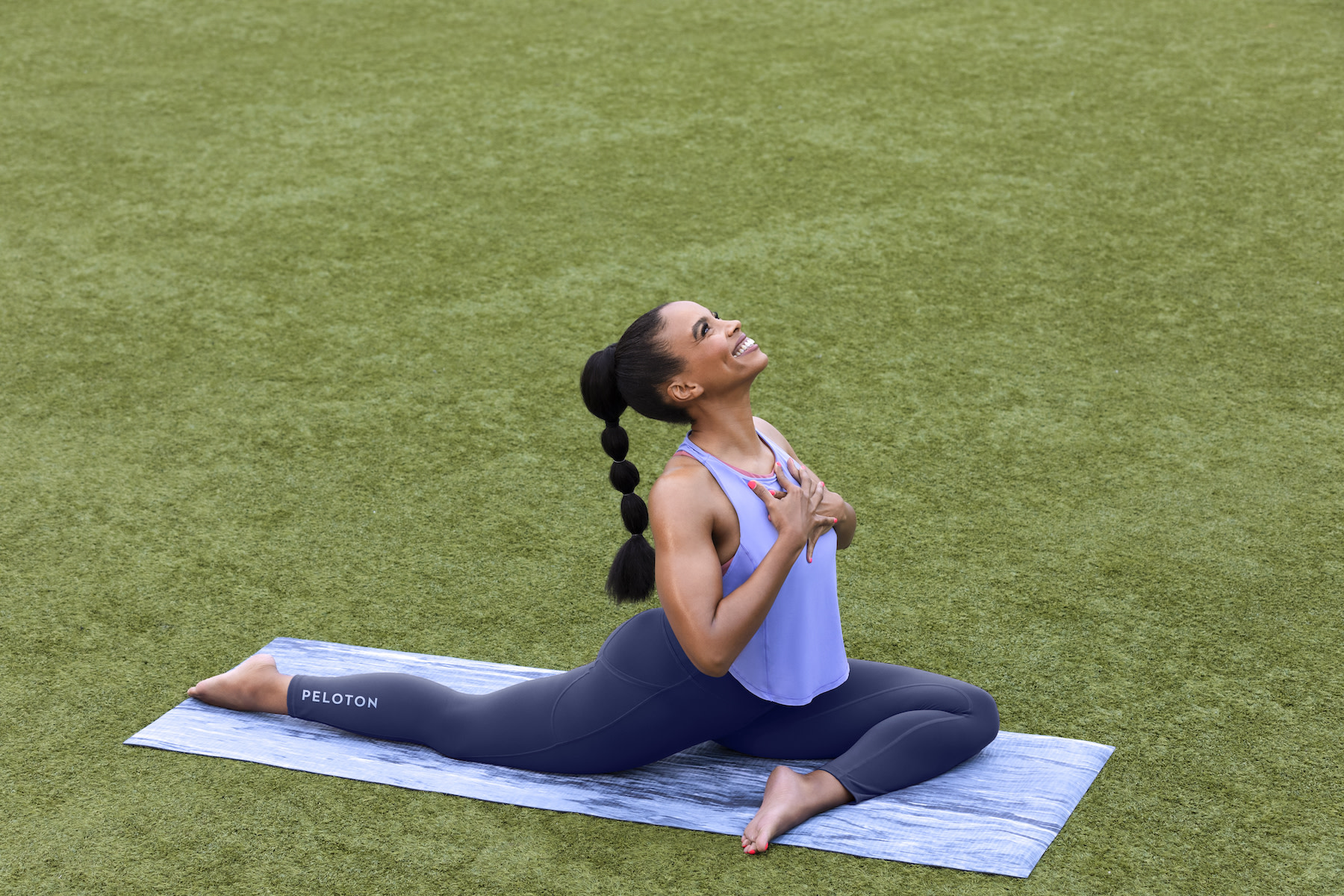
Yoga is an ancient discipline that blends physical movement, conscious breathing, and mental focus into a single, holistic practice. Originating thousands of years ago, yoga has evolved into a globally practiced system for improving health, resilience, and self-awareness. Far beyond stretching, yoga offers practical tools for navigating modern stress while nurturing long-term well-being.
Understanding the Core of Yoga
At its foundation, yoga is about union—the integration of body, mind, and breath. Each posture and technique is designed to cultivate awareness, stability, and ease, both on and off the mat.
Key Components of Yoga Practice
-
Asanas (Postures): Physical poses that enhance strength, flexibility, and alignment
-
Pranayama (Breathing Techniques): Controlled breathing to regulate energy and calm the nervous system
-
Meditation and Mindfulness: Practices that improve focus, emotional balance, and mental clarity
-
Relaxation: Conscious rest that supports recovery and stress reduction
Together, these elements create a balanced approach that supports physical vitality and mental calm.
Physical Benefits of Yoga
Regular yoga practice contributes to measurable improvements in overall physical health.
Strength, Flexibility, and Mobility
Yoga works the body through controlled, functional movements, helping to:
-
Increase joint mobility
-
Build lean muscle strength
-
Improve posture and spinal health
Unlike high-impact workouts, yoga strengthens the body while minimizing strain.
Improved Circulation and Respiration
Through synchronized movement and breath, yoga:
-
Enhances blood flow and oxygen delivery
-
Supports lung capacity and respiratory efficiency
-
Encourages healthy cardiovascular function
Mental and Emotional Benefits
Yoga is equally powerful for mental well-being, offering tools to manage stress and emotional overload.
Stress Reduction and Emotional Balance
Consistent practice helps lower stress by:
-
Activating the parasympathetic nervous system
-
Reducing cortisol levels
-
Encouraging a calmer response to daily challenges
Many practitioners report improved sleep quality and emotional resilience.
Focus and Mental Clarity
Meditative aspects of yoga sharpen attention and awareness, supporting:
-
Better concentration
-
Reduced mental fatigue
-
Enhanced decision-making
These benefits extend into work, relationships, and daily routines.
Popular Styles of Yoga
Yoga is not a one-size-fits-all practice. Different styles cater to different goals and energy levels.
Common Yoga Styles
-
Hatha Yoga: Slow-paced, ideal for beginners
-
Vinyasa Yoga: Dynamic, flowing sequences linked with breath
-
Ashtanga Yoga: Structured, physically demanding series
-
Yin Yoga: Deep, passive stretches targeting connective tissue
-
Restorative Yoga: Gentle poses focused on relaxation and healing
Choosing the right style depends on personal needs, fitness level, and lifestyle.
Yoga as a Lifestyle Practice
Beyond the mat, yoga encourages mindful living. Practitioners often develop:
-
Greater body awareness
-
Healthier movement habits
-
Improved stress management skills
Yoga philosophy emphasizes balance, moderation, and intentional living, making it a sustainable long-term practice.
Getting Started with Yoga
Beginning yoga does not require flexibility or advanced fitness. Progress comes with consistency and patience.
Tips for Beginners
-
Start with short, simple sessions
-
Focus on breathing rather than perfect poses
-
Use props like blocks or straps for support
-
Practice regularly instead of intensely
Listening to the body is essential for safe and effective progress.
Conclusion
Yoga is a versatile and accessible practice that supports physical health, mental clarity, and emotional stability. Whether practiced for fitness, stress relief, or personal growth, yoga offers practical benefits that adapt to every stage of life. Its enduring relevance lies in its simplicity: mindful movement, conscious breathing, and present-moment awareness.
Frequently Asked Questions (FAQ)
1. How often should yoga be practiced for noticeable results?
Practicing yoga 2–4 times per week is enough to experience improvements in flexibility, strength, and stress levels.
2. Can yoga replace traditional exercise?
Yoga can complement or partially replace other workouts, but combining it with cardio or strength training offers a more balanced fitness routine.
3. Is yoga suitable for older adults?
Yes, many yoga styles are specifically adapted for older adults, focusing on mobility, balance, and joint health.
4. Do I need special equipment to practice yoga?
A yoga mat is sufficient for most practices. Props like blocks and straps are optional but helpful.
5. Can yoga help with chronic pain?
Gentle, guided yoga may reduce certain types of chronic pain by improving mobility, posture, and muscle balance.
6. Is yoga religious or spiritual?
Yoga has philosophical roots but can be practiced purely as a physical and mental wellness discipline without religious involvement.
7. How long does it take to become flexible through yoga?
Flexibility improvements can begin within a few weeks, though results vary depending on consistency and individual physiology.
