


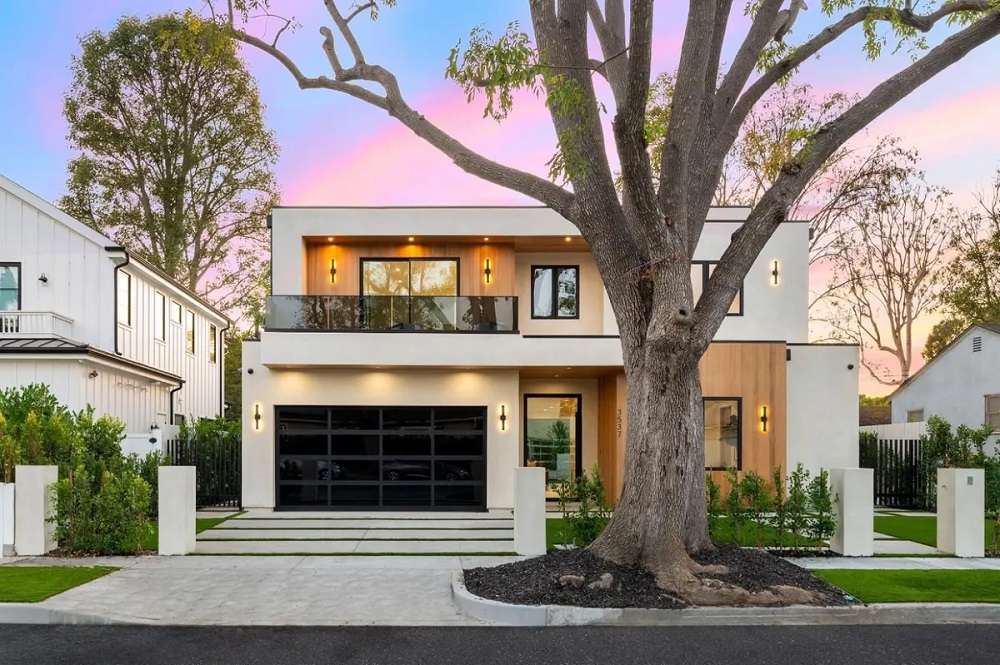
A home is far more than walls and a roof. It is a personal space shaped by comfort, security, routine, and identity. Whether it is an apartment in a busy city or a quiet house in the countryside, a home reflects how people live, relax, and connect with others. Understanding what makes a home functional and welcoming helps create a space that truly supports daily life.
What Defines a Home?
At its core, a home combines physical structure with emotional meaning. While a house is a building, a home is the experience created within it.
Key elements that define a home include:
-
Safety and shelter from environmental conditions
-
Comfort through layout, lighting, and furnishings
-
Personalization that reflects lifestyle and values
-
Functionality that supports everyday activities
A well-designed home balances practicality with warmth, making it both usable and inviting.
Types of Homes
Homes come in many forms, each suited to different needs and preferences.
Common Home Styles
-
Apartments and flats – Ideal for urban living and low maintenance
-
Detached houses – Offer privacy and outdoor space
-
Townhouses – Combine community living with multiple floors
-
Cottages – Known for charm and cozy layouts
-
Smart homes – Integrated with technology for efficiency and convenience
Each type of home has advantages depending on location, family size, and lifestyle goals.
The Importance of Interior Design
Interior design plays a major role in how a home feels and functions. Thoughtful design choices can improve mood, productivity, and relaxation.
Core Interior Design Principles
-
Space planning to reduce clutter and improve flow
-
Color schemes that influence emotions and energy
-
Lighting to enhance comfort and visibility
-
Furniture selection that balances style and utility
Even small changes, such as rearranging furniture or adding natural light, can significantly improve the living experience.
Creating Comfort at Home
Comfort is one of the most important qualities of a good home. It supports physical well-being and mental peace.
Ways to improve comfort include:
-
Using soft textures like rugs, cushions, and curtains
-
Maintaining proper ventilation and temperature
-
Reducing noise with thoughtful layouts and materials
-
Designing relaxation zones for rest and hobbies
A comfortable home encourages better sleep, healthier routines, and stronger relationships.
The Role of Home in Daily Life
A home serves multiple purposes throughout the day. It adapts to changing needs, often functioning as more than just a living space.
Daily Functions of a Home
-
Rest and recovery after work or school
-
Social connection with family and guests
-
Productivity, especially with home offices and study areas
-
Personal growth through hobbies, reading, and reflection
As lifestyles evolve, homes continue to transform to support remote work, wellness, and flexible living.
Maintaining a Healthy Home Environment
A healthy home promotes both physical and emotional well-being. Cleanliness, air quality, and organization all play essential roles.
Important factors to consider:
-
Regular cleaning and maintenance
-
Access to natural light and fresh air
-
Safe materials and non-toxic products
-
Organized storage to reduce stress
A healthy environment makes daily living easier and more enjoyable.
Home as an Expression of Identity
Every home tells a story. From décor choices to layout decisions, the space reflects the people who live there.
Personal touches may include:
-
Artwork and photographs
-
Cultural or handmade items
-
Favorite colors and textures
-
Customized furniture or layouts
These details turn a living space into a meaningful and unique home.
The Future of Homes
Homes are evolving alongside technology and changing lifestyles. Modern homes increasingly focus on sustainability, energy efficiency, and smart features.
Emerging trends include:
-
Energy-saving appliances and materials
-
Smart lighting and climate control
-
Flexible spaces for work and leisure
-
Eco-friendly building designs
The future home aims to be efficient, adaptable, and environmentally responsible while maintaining comfort.
Frequently Asked Questions (FAQs)
1. What is the difference between a house and a home?
A house is a physical structure, while a home includes emotional attachment, comfort, and personal meaning.
2. How can I make my home feel more welcoming?
Use warm lighting, comfortable furniture, personal décor, and keep the space organized and clean.
3. What are the most important rooms in a home?
Living areas, bedrooms, kitchens, and bathrooms are essential, but importance varies based on lifestyle.
4. How does home design affect mental well-being?
Good design reduces stress, improves mood, and supports better focus and relaxation.
5. What makes a home functional?
Efficient layouts, proper storage, good lighting, and furniture suited to daily activities improve functionality.
6. How often should a home be maintained?
Basic cleaning should be regular, while deep maintenance and inspections are best done seasonally or annually.
7. Can small homes still be comfortable?
Yes, smart layouts, multifunctional furniture, and good organization can make small homes highly comfortable and efficient.
